The wind in southern Chile is not merely weather; it is a physical entity. It sweeps off the icefields, gathers speed over the glacial lagoons, and collides with the granite monoliths of Torres del Paine. For ten days, this constant rushing sound was the backdrop to every step, every thought, and every silent hour spent in my tent. It has a way of stripping away the excess noise of modern life, leaving only what is absolutely necessary.
Walking along the Paso John Gardner, the trail climbs through dwarf beech forests before rising above the tree line. Here, the loose shale sliding underfoot matches the grey, shifting clouds overhead. It is a stark landscape, composed of stark tones of grey, white, and deep slate blue.
"In the wilderness, space is not an empty vacuum; it is a presence. It makes demands on you, forces you to settle into your own skin, and invites stillness."
I. The Logic of Isolation
There is an adjustment period that occurs during the first three days of solo trekking. The brain, accustomed to the constant pinging of inputs, creates its own artificial loops. Old songs, forgotten conversations, and trivial anxieties play on repeat. But by the fourth day, the internal noise begins to subside. The mind syncs with the rhythm of the boots, the temperature of the air, and the simple tasks of fetching water and boiling rice.
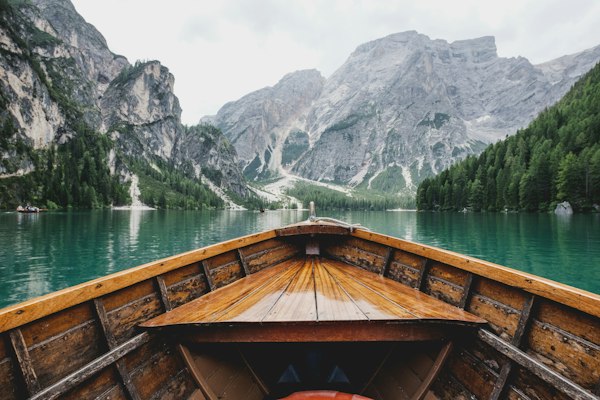
One afternoon, the wind died down entirely. The silence that followed was heavy and unexpected. Sitting on a flat granite slab overlooking the Grey Glacier, the silence was almost deafening. The ice sheet stretched out below me, a vast white and blue fractured plain that seemed to move only in geological time. It was a reminder of how fleeting our human paths are.